
External Ear Deformities and Your Child’s Self-Esteem
Do you notice people’s ears? Some of us don’t, maybe you are one of those people who do. One thing is for certain, those born with external ear deformities—ears that stick out; ears that are flat where they should be rounded; ears that are pointed or overly large—those people do notice and many of them have suffered from rude comments delivered by strangers, jokes from family members or even bullying from their peers.
External ear deformities such as those above are usually just a cosmetic difference, not a medical problem. Even so, since ears are very visible, oddly shaped ears can—and do—affect a child’s emotional well-being and self-esteem, especially during the school-age years.
Here are several examples of external ear deformities.
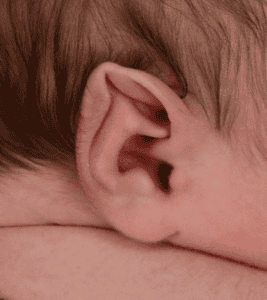
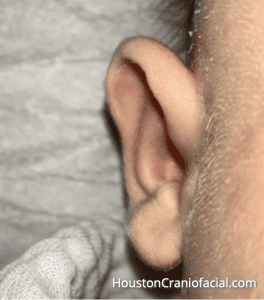
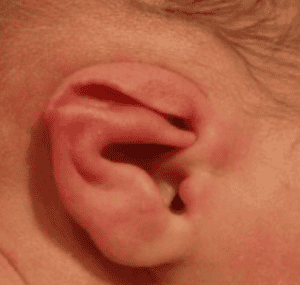
Children with External Ear Deformities Suffer in the Following Ways
- Teasing from family members, who often think it’s OK to invent nicknames for children with odd-looking ears. They believe it to be “in good fun,” or “good for the child,” while the child likely suffers silently, not wanting to alienate family members.
- Bullying from peers. Kids of all ages are finding their way emotionally and often resort to making fun of other kids who look differently—handicapped children are particularly affected but even kids with odd looking ears often face a barrage of nasty remarks, being called names like Dumbo, Spock or other negative connotations about their ears.
- Avoiding photographs: Kids who are self-conscious about their appearance don’t want to be reminded of their “otherness” in photos. They will hide their ears with hats, hair, headbands, hoodies or other clothing.
- Social Withdrawal: When a child is teased beyond their comfort level—and for young children it doesn’t take much to hurt their tender feelings—they withdraw, avoiding social situations such as parties, family gatherings, participation in sports, etc.
- Self-consciousness: As a child becomes more aware of his/her appearance and how it differs from those around him/her, they may worry about how others perceive them. This can lead to negative behaviors in order to make a name for themselves and distract from that which is uncomfortable to them.
Does Every Child with an External Ear Deformity Have Low Self-Esteem?
Certainly not. Many children with odd-looking ears are completely comfortable with their appearance. A child’s personality, the degree of deformity and the reaction of parents, peers and other family members go a long way to mold a child’s response to an external ear deformity.
Unfortunately, right now your child is a newborn, giving you no idea whatsoever as to his or her innate personality, the future presence of supportive or non-supportive peers as your baby goes through school, or the potential for any number of interactions that may lead to a damaged self-esteem.
We live in a culture that has a near-obsession with appearance. Emphasis on appearance is everywhere: movies, ads, on social media—literally everywhere you look, and everywhere your child will look. These pressures will be felt by your child, just as they have been and continue to be felt by you. Is it fair? Of course it isn’t fair, but it is the way our culture behaves, and your little one will grow up in that culture.
What is a Parent To Do?
While we would never suggest that having perfect ears is the gateway to happiness, we do know that it certainly narrows the window of opportunity for your child to face teasing and bullying, negative remarks and the potential for low self-esteem. EarWell is a simple 6-8-week period of treatment that is painless, nearly always covered by insurance, and results in perfect ears 98% of the time.
Please take time to visit the pages on this website to learn more about EarWell and how it can help your baby.
Visit our EarWell Physician Provider page by clicking this link to find a specifically trained physician who can diagnose your baby’s ear deformity and advise you on how an EarWell treatment can help.